Kapının Ardındaki Karanlıkta Ne Var?
Zifir'den Uğur Çıkrıkçılı, Beyond The Gates 2026 Festivali’ni değerlendiriyor; Norveç’te black metal kültürünün devlet desteğiyle kültürel mirasa dönüşümünü, festivalin müzik dışı etkinliklerini ve dört güne yayılan dikkat çekici sahne performanslarını aktarıyor.
Please scroll down for the English text.
Beyond The Gates 2026
Yazı: Uğur Çıkrıkçılı
Konser Fotoğrafları: Esra Atakan
Yazıya eşlik edecek parça önerisi: Blood Incantation – "The Message (Tablet III)"
Festival kritiğine geçmeden önce, en doğru girişin başlıktaki soruya yanıt aramak olduğunu düşünüyorum. Yazının omurgasını da bunun üzerine kurma niyetindeyim.
Bir metal festivalini takip etmek için yolum ikinci kez Norveç’e düşüyor. İlk ziyaretimde dikkatimi çeken bir unsurun bu kez basit bir gözlemin ötesine geçtiğini fark edince, festival izlenimlerine geçmeden önce bunun üzerine birkaç kelam etmek isterim.
Norveç’te devletin, kültür-sanat kurumları ve bakanlıklar aracılığıyla festivallere sağladığı destek hemen göze çarpıyor. Bunun yanında, ilk gelişimde yalnızca plak bakıp bir şeyler içtiğimiz bir müzik market/barın bu kez pure black metal çalan bir mekâna dönüşmesi, festivalin kendi alanıyla sınırlı kalmayıp bütün şehre yayıldığının net bir göstergesiydi.
Oslo gibi metropoller bir yana, Bergen gibi nispeten daha küçük bir şehirde bu tablonun ortaya çıkması meseleyi daha da görünür kılıyor. Ancak organizasyonun böylesine geniş bir çapa ulaşması devlet desteği olmadan düşünülemez. Zira bu tür festivaller, başarılı birer organizasyon olmanın ötesinde, bir kültürün ve alt kültürlerin yayılmasına da hizmet ediyor.
Başarının arkasındaki bir diğer önemli etken ise organizatörlerin uluslararası ağları, farklı ülkelerden menajerleri, plak şirketi yöneticilerini ve müzik profesyonellerini bu karanlık zincire dinamik biçimde dâhil etme becerileri. Bu entegrasyonu son derece başarılı yürüttüklerini belirtmek gerek. Böylece yerel bir festival, küresel bir dayanışmayla büyüyor. Bu da bireylerin coğrafi koşullardan bağımsız olarak ortak bir kültürü sahiplenmesi ve ona güçlü bir aidiyet duymasıyla mümkün hâle geliyor.
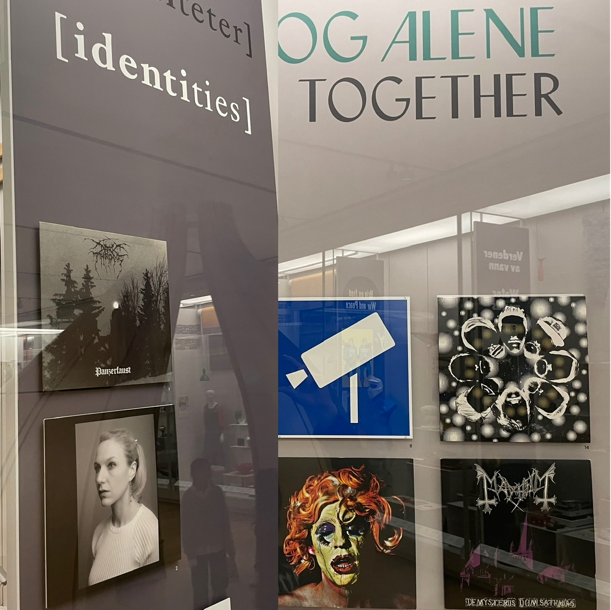
Öte yandan, Oslo’daki Ulusal Müze’yi gezerken güncel Norveç kültürü bölümünde Darkthrone ve Mayhem albüm kapaklarının birer görsel kültür materyali olarak sergilendiğini gördüğümde, şaşkınlıkla karışık bir hoşnutluk hissettiğimi hatırlıyorum. Bu yıl yine ağustos ayında aynı Ulusal Müze çatısı altında “kültürel miras” başlığıyla kısa black metal turları düzenleneceğini duyduğumda ise meselenin üzerinde daha derinlemesine düşünmek gerektiği kanaatine vardım. Zira Gaahl ile yaptığımız uzun sohbette kendisi, 90’lı yıllara kadar Norveç’in din konusunda hiç de bugünkü kadar özgürlükçü olmadığını, aksine muhafazakâr ve sert kuralların hüküm sürdüğü bir ülke olduğunu aktarmıştı.
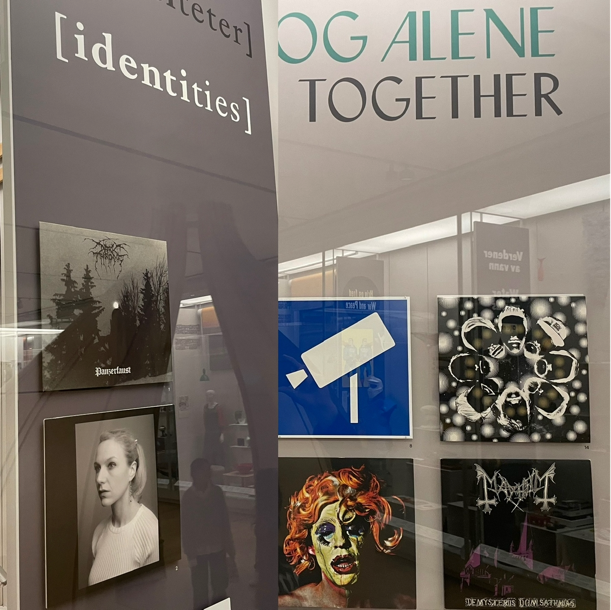
O dönemde filizlenen ilk dalga black metal gruplarının (tasvip edilebilir bir yanı olmasa da) kilise kundaklama gibi radikal eylemlere karışması, ironik biçimde genç kuşakların zihniyetinde bir dönüşüm yarattı. Zamanında devlet nezdinde “tehlikeli bir suç odağı” olarak görülen ve son derece kötü bir üne sahip olan bu hareketin bugün 180 derecelik bir kırılmayla “kültürel miras” olması, ulusal müzelerde yer bulması ve ciddi kamu desteği alması, konunun basit bir müzik ya da festival organizasyonundan çok daha ötede ele alındığının açık bir göstergesi.
Beyond The Gates 2026 Festivali
Festivale gelecek olursak, tıpkı Inferno gibi, yalnızca sahne performanslarından ibaret standart bir müzik organizasyonuyla karşı karşıya olmadığımızı rahatlıkla söyleyebilirim. Konserlerin ötesinde, black metal tarihini ve kültürünü odağına alan tematik turlar festivalin en dikkat çekici ayaklarından biriydi.
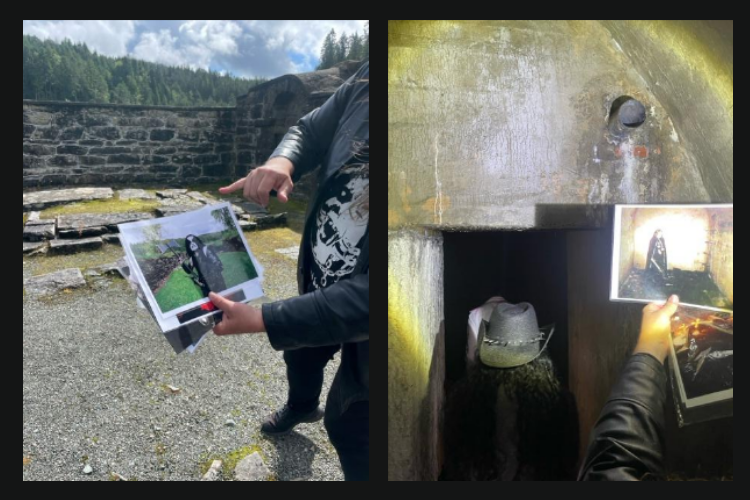
Old Funeral’ın kurucu üyelerinden Tore Braseth rehberliğinde -kendisi Abbath, Demonaz ve kısa bir dönem Varg Vikernes’in de yer aldığı bu kadronun kilit isimlerinden biriydi- Immortal’ın efsanevi "Call of the Wintermoon" ve "Blashyrkh (Mighty Ravendark)" kliplerinin çekildiği mekânları turlamak son derece keyifliydi. Üstelik bu turda bizlere, o meşhur klipte kukuletasıyla arz-ı endam eden ve bugün o sahnelerden biraz utandığını samimiyetle belirten eski Immortal üyesi Kolgrim (aka Padden) de eşlik etmişti.
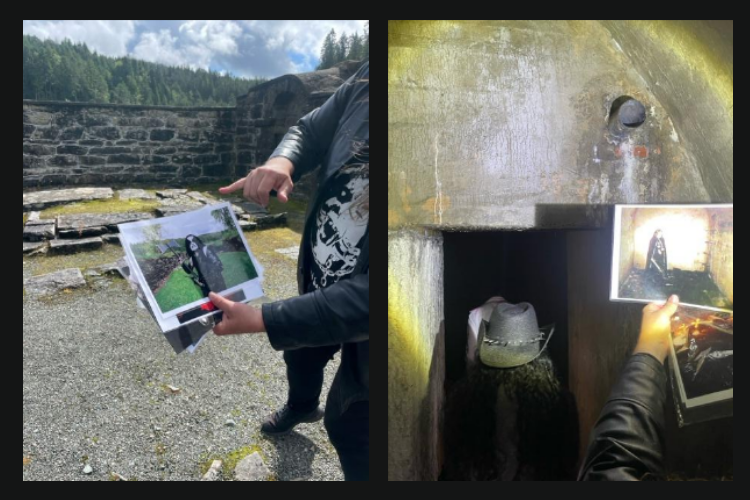
Gezinin devamında Mayhem’in ilk bootleg ve albüm kapaklarına konu olan, Euronymous ile Varg’ın o ikonik pozları verdiği II. Dünya Savaşı’ndan kalma sığınağı da yerinde görme şansı bulduk. Bu gezi, 90’ların başına dair merak edilen pek çok ayrıntıyı, o döneme bizzat şahitlik eden birinden dinlemek açısından da oldukça kıymetliydi.
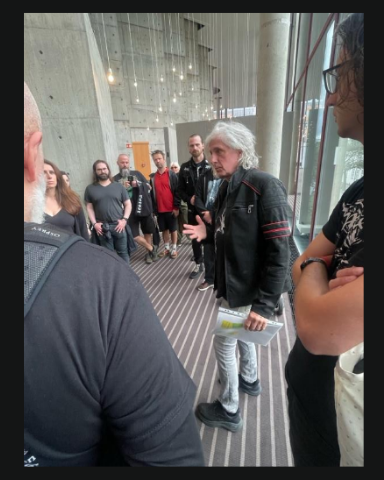
Benim açımdan en özel kısım ise efsanevi Grieghallen Stüdyoları’nı, yine bir başka efsane olan prodüktör Pytten rehberliğinde gezme fırsatı bulmaktı. Burzum, Enslaved, Immortal ve Windir kayıtlarının arka planına, aynı zamanda o yıllarda filizlenen hem birinci hem ikinci dalga black metal ortamına dair pek çok ayrıntı konuşuldu. Pytten, o dönem kayıtların nasıl olması gerektiğine ilişkin grup üyeleri ile yaptıkları istişarelerden bahsetti; hatta bazı ham kayıtlar dinletti. Varg Vikernes meselesi gibi hassas ve kişisel alana giren konularda ise Pytten, beklendiği üzere profesyonel çizgisini bozmayarak soruları sağduyulu bir tutumla geçiştirdi.
Bu ikonik albümlerin mutfağını ve üretim süreçlerini bizzat mimarından dinlemek, türün tarihine not düşmek açısından paha biçilemezdi. Tüm bu işlere imza atan isimlerin o dönem henüz 15-19 yaşlarında genç müzisyenler olduğu düşünüldüğünde, ortaya konan vizyon ve sıfırdan inşa edilen tür kesinlikle ayrı bir saygıyı hak ediyor.
Fantoft Stave Kilisesi’nin Varg tarafından kundaklanması ve ardından kopan medya fırtınasının perde arkası ise black metal arşivciliği ve tarihine önemli katkılar sunan Finn Håkon Rødland tarafından aktarıldı. Bu döneme dair daha önce yaptığım detaylı görüşmeler ve tuttuğum kapsamlı notlar bulunduğundan ben bu oturumu pas geçmeyi tercih ettim.
Müzik dışı etkinliklerin bir diğer ilgi çekici ayağı, artık festival klasiğine dönüşen Gaahl ve somelye Niklas Kleppe’nin tadım etkinliğiydi. Gaahl ve Kleppe’nin masaları tek tek dolaşarak ürünler arasındaki nüansları anlatmaları ve katılımcılarla kurdukları samimi diyalog etkinliğe ayrı bir renk kattı.
Sosyal aktivitelere daha sonra dönmek üzere parantezi kapatıyor ve odağı gruplara, sahne performanslarına çeviriyorum.
Birinci gün
Festivalin ilk iki gününe ev sahipliği yapan USF Verftet, 200-300 kişilik samimi salonuyla binlerce kişiyi ağırlayabilen devasa bir hangardan oluşan eski bir liman tesisi. Dört güne yayılan festival ciddi bir kondisyon gerektirdiğinden bazı grupları pas geçip dinlenmeyi tercih ettim. Dolayısıyla izlenimlerim kaçınılmaz olarak öznel bir seçki niteliğinde.
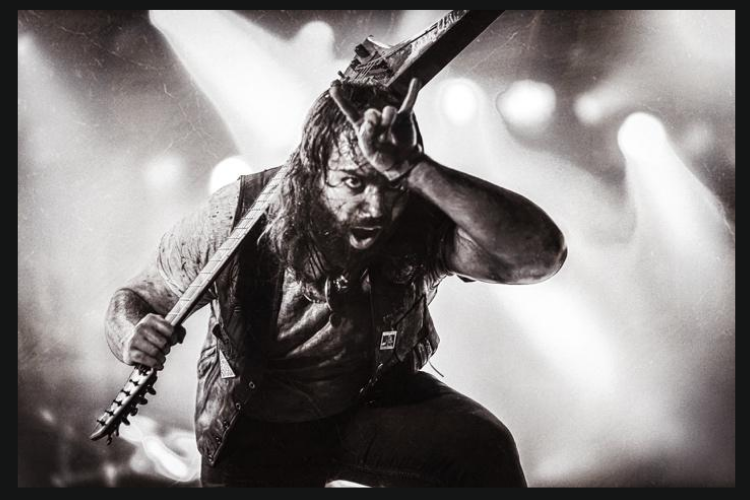
İlk günün öne çıkan performanslarından biri şüphesiz İmha Tarikat’a aitti. Konser sonrası grubun dinamosu Kerem Yılmaz’la konuşurken vücudundaki yara bereleri gösterip kendi deyimiyle “so intense” bir deneyim yaşadıklarını söylemesi, sahnede ne denli yüksek bir enerji harcandığının göstergesiydi. "Wicked Shrine", "Sturm der Erlösung" ve "The Day I Died" gibi sevilen parçalarını art arda patlattılar. Bir Thin Lizzy cover’ı olan "The Sun Goes Down"ı bu kez de canlı dinleyememek içimde bir ukde olarak kalsa da festival ateşini muazzam bir enerjiyle yaktıklarını rahatlıkla söyleyebilirim.
Ardından diğer sahnede Rotting Christ seyirciyle buluştu. Türkiye’ye kaç kez geldiklerini saymayı çoktan bıraktığım ve canlı dinlemekten asla bıkmadığım bir grup olsalar da bu kez performanslarını ve seyirciyle kurdukları etkileşimi biraz sönük buldum. Şayet bu konser Türkiye’de gerçekleşseydi çok daha coşkulu ve interaktif bir atmosfer çıkacağından şüphem yok. Belki de Kuzey coğrafyasındaki dinleyici profili, bizim ya da Latin Amerika’daki fanlar kadar yüksek bir aidiyet taşımıyordur. Yine de "Thy Mighty Contract", "Triarchy of the Lost Lovers" ve "Non Serviam" gibi klasiklere ağırlık veren setlist, eski kuşak takipçilerini mutlu etti. Son iki parça ise Kata Ton Daimona Eaytoy albümünden seçilmişti.
Akabinde sahneye Spectral Wound çıktı. "Aristocratic Suicidal Black Metal", "Less and Less Human", "O Savage Spirit" gibi ilginç şarkı isimleriyle dikkat çeken ve yüksek tempolu müziğiyle canlı performansını merak ettiğim Kanadalı ekip, izleyenlerden tam not aldı, festivalin en sağlam performanslarından birine imza attılar. Kendilerini daha uzun bir setlist ile bir kez daha izlemek üzere kenara notumu düşüyorum.
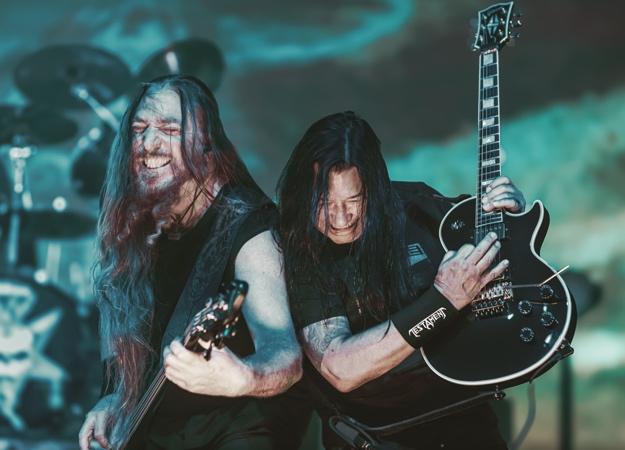
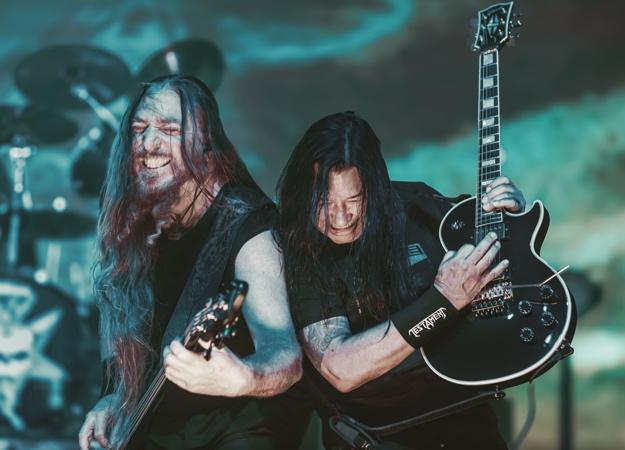
Ardından ana sahneyi thrash metal devlerinden Testament devraldı. 1987 tarihli klasik debut albümleri The Legacy’den geçen yıl çıkan Para Bellum’a uzanan dengeli bir setlist hazırlamışlardı. Son albüm ağırlıklı bir repertuvar beklerken bu retrospektif seçkiyle açıkçası ters köşe oldum. Sahne boyunca gözlerim ağırlıklı olarak Chuck Billy ve Alex Skolnick’e kaysa da Eric Peterson, ne kadar muazzam bir ritim/solo gitaristi olduğunu ve grubun omurgasını nasıl ayakta tuttuğunu bir kez daha kanıtladı.
Gecenin kapanışını, Nergal ve Misþyrming’in ortak projesi olan ve adını Behemoth’un ilk albümünden alan Sventevith yaptı. Açıkçası, Nergal’in yıllar içinde ekstrem metal camiasında adeta bir pop figürüne dönüşmesini mesafeli bir şüphecilikle izleyen biri olarak o geceki performans beni oldukça şaşırttı. "From the Pagan Vastlands", "Transylvanian Forest" ve "Wolves Guard My Coffin" gibi ham demo ve EP dönemine ait eski klasikleri muazzam bir ruhla yorumladılar. Nergal’in gösterişten uzak sade corpse paint makyajı, grubun mütevazı sahne kostümleri ve seyirciyle kurdukları dengeli temas sayesinde sahnede harika bir sinerji yakalanmıştı. Bu yaz Rockstadt’tan Party.San’a dek neredeyse tüm büyük yaz festivallerinde boy gösteren bu birliktelik ileride bir albüm çalışmasına evrilir mi, hep birlikte göreceğiz.
İkinci gün
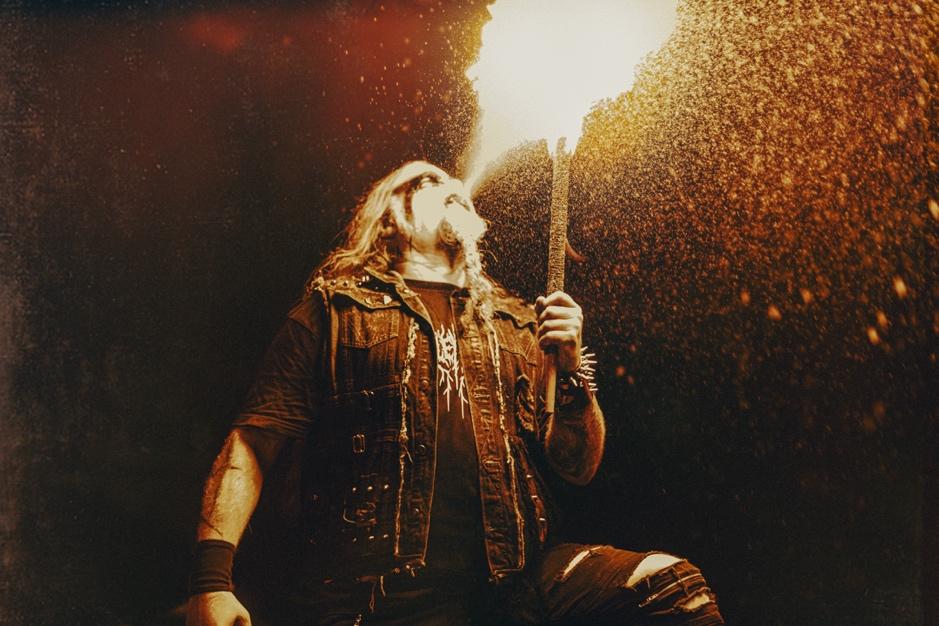
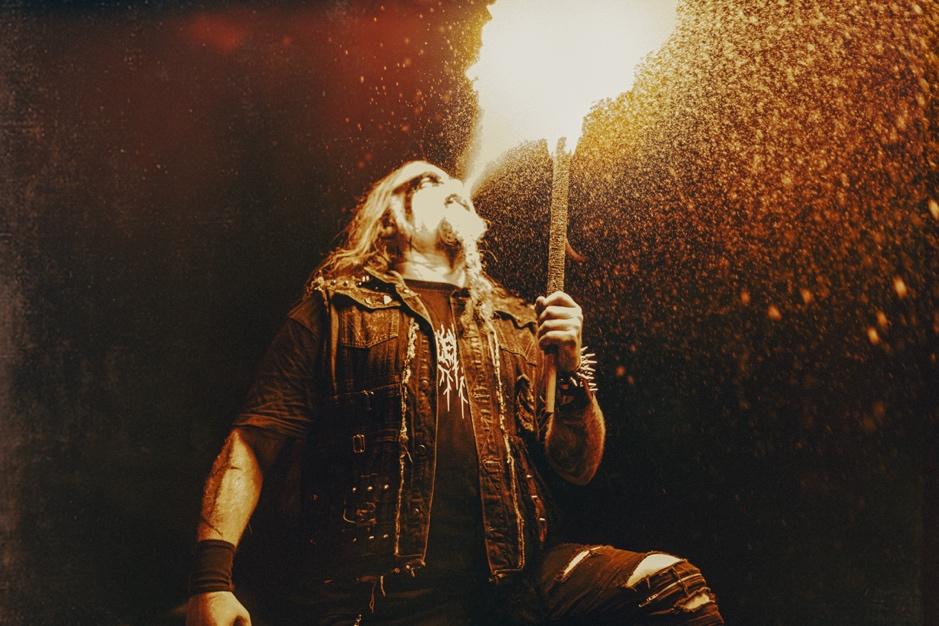
Festivalin ikinci gününde Bergen’in klasik kasvetli ve yağmurlu havası etkisini daha da artırdı. Sahneye ilk çıkan grup 1349’du. Daha önce iki kez daha izlememe rağmen müziğine bir türlü nüfuz edemediğim grup, canlı performans kalitesini yine koruyordu. Özellikle "Ash of Ages" ve "I Am Abomination"da Dominator'ın davul tekniği muazzamdı. Frost’un yerini turnelerde doldurabilecek en doğru tercih olduğunu bir kez daha kanıtladı. Ravn’ın vahşi vokalleri ile keskin gitar rifflerinin uyumu başarılıydı. Konser öncesi Archaon’un meşaleyle alev püskürttüğü ritüel seyirciyi havaya soksa da 1349, benim açımdan genel çizgisini koruyan ama ekstra bir iz bırakmayan gruplardan biri olmaya devam etti.
Soğuk ve yağmurlu Britanya havasını Bergen’in kasvetli coğrafyasına taşıyan doom metal ekibi Warning’i dinledikten sonra, ana sahnede geçişi doom/stoner/psychedelic rock’ın dev ismi Electric Wizard ile yaptık. Canlı performansını özellikle merak ettiğim gruplardan biriydi. Sahnedeyken zihnim adeta Black Sabbath, Kyuss, Saint Vitus ve Acid King rotasında gidip geldi. Derin, pes akorlar ve hipnotik sludge ritimlerine eşlik eden 70’ler ve 80’lerin B tipi erotik-korku sineması görselleriyle zihinlere kazınan bir şova imza attılar. Salondaki genç kuşağın gruba bu denli sahip çıkması ve şarkılara coşkuyla eşlik etmesi ise gecenin dikkat çeken bir diğer ayrıntısıydı.
İkinci günün kapanışını, ben dâhil pek çok kişinin festival programında yolunu gözlediği Finlandiyalı Beherit yaptı. Çok nadir sahne almaları ve kariyerleri boyunca radikal tarz değişimleri yaşamış olmaları, konsere duyulan merakı iyice artırıyordu. Yoğun sis ve baskın kırmızı ışığın hâkim olduğu bir sahne kurgusu tercih ettikleri için müzisyenleri net biçimde görebilmek neredeyse imkânsızdı.
Klasik albümleri Drawing Down the Moon ağırlıklı bir setlist ile sahnedeydiler. Müzikteki elektronik altyapı mekânın atmosferiyle öylesine iyi bütünleşti ki "Black Arts", "Solomon’s Gate" ve "Nocturnal Evil" icralarında gerçekten hipnotize edici bir performansa tanık olduk. Konserin ilk yarısı oldukça güçlüydü. Ancak ikinci yarıda gerek uzun maratonun getirdiği yorgunluk, gerek ışık renginin açılması, gerekse grubun statik sahne duruşu odağımın dağılmasına yol açtı. Yine de deneysel arayışlarıyla ekstrem müzikte ezber bozan Beherit’i canlı izlemek son derece kıymetliydi.
Üçüncü gün
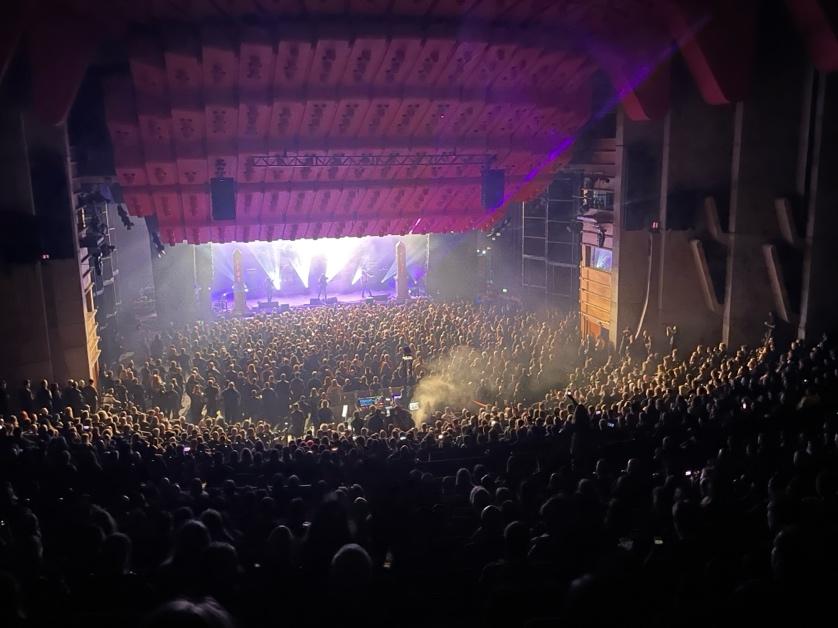
Üçüncü gün konserlerin Grieghallen’e taşınmasıyla birlikte, normalde bir senfoni orkestrasını ağırlayacak akustiğe sahip bir salonda ekstrem metal dinleme deneyimi yaşadık. Günün temposuna adapte olmak adına birkaç grubu pas geçip açılışı Trondheim sahnesinin son dönemde öne çıkan ekibi Whoredom Rife (WR) ile yaptım. Daha önce Inferno Festivali’nde izlediğim performanslarına kıyasla bu kez seyirciyle etkileşimlerini biraz daha mesafeli bulduğumu söylemeliyim.
WR, yapısal olarak oldukça ilginç bir formasyona sahip: Tüm enstrümanları çalabilen, bestelerin arkasındaki beyin ve davulcu Einride ile vokalist K.R.’den oluşan çekirdek kadro, canlı performanslarda konuk müzisyenlerle sahne alıyor. Albümlerinde ve bestelerinde öylesine belirgin bir karakteristik çizgi var ki dinleyiciye ne vaat ettiklerini hemen kestirebiliyorsunuz. Bu çizgiyi korudukları sürece önümüzdeki yıllarda festival afişlerinde isimlerini çok daha büyük fontlarla göreceğimizi düşünüyorum. Konserde tam da tahmin ettiğim gibi risksiz bir setlist tercih etmişlerdi; şaşırtıcı sürprizlere yer vermeseler de beklentiyi karşılayan sağlam bir gösteri sundular.
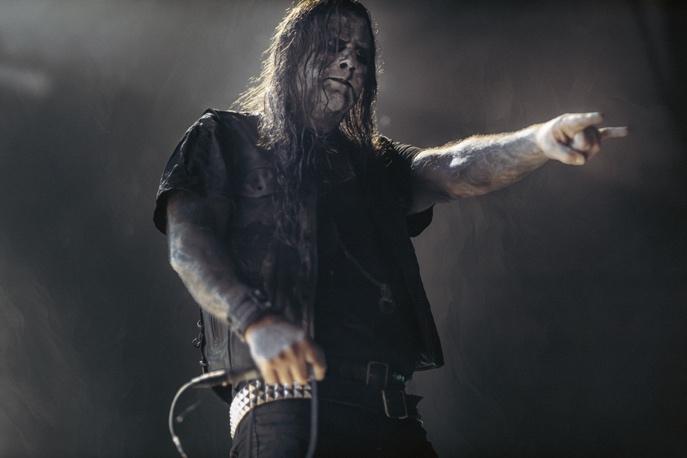
Ardından sahneye Marduk çıktı. Son yıllarda neredeyse her sene en az bir kez canlı izlediğim grubun sahne kalitesi belirli bir standardın altına düşmese de açıkçası aldığım keyif giderek azalıyor. Setlist tercihleri konusunda şaşırtmadıkları gibi, seyircinin duymak istediği pek çok kült parçayı çalmaktan kaçınmaları da dikkat çekiciydi. "Throne of Rats", "Blond Beast", "Panzer Division Marduk" ve "Wolves" ile son derece sert, tüyleri diken diken eden bir kapanış yapsalar da geçmişte çok daha iyi Marduk performanslarına tanıklık ettiğim için ekstra bir not düşmeyeceğim.
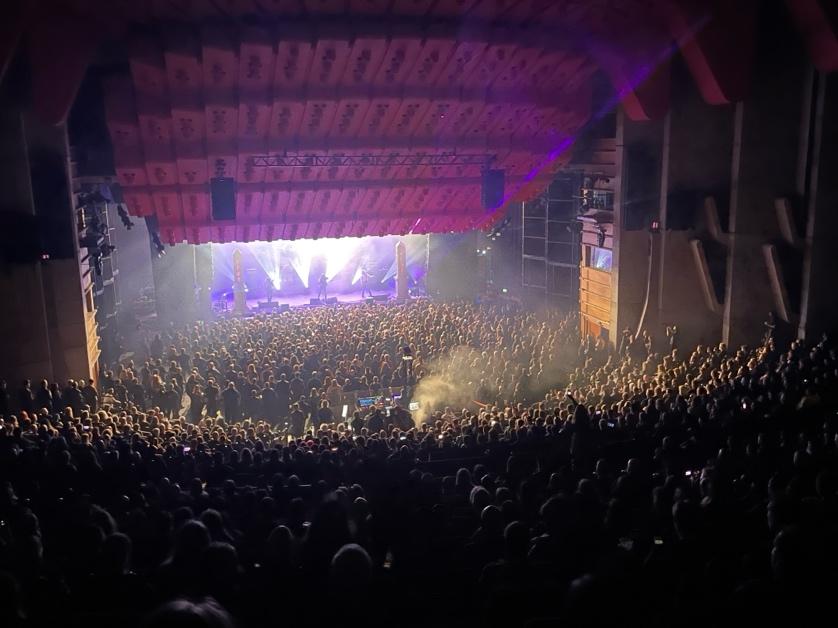
Üçüncü günü Blood Incantation ile noktalamak benim için tarifsiz bir keyifti. Pandemi döneminde geç keşfettiğim gruptan haberdar olsam da konser öncesine kadar sık dinlediğim ekipler arasında yer aldıklarını söyleyemezdim. Grieghallen’in sahneyi tepeden gören hâkim bir noktasına konuşlanıp beklemeye başladım. Enstrümanlarına olan kusursuz hâkimiyetleri, salonun muazzam akustiği ve büyüleyici görsel prodüksiyonlarıyla ben dâhil tüm izleyenleri adeta büyülediler.
Son albümleri Absolute Elsewhere’i baştan sona icra ettiler. Müzikal yetkinliklerinin yanı sıra kozmik temalı görseller, ışık oyunları ve sahneye yerleştirilen Eski Mısır estetiğini andıran obeliskler, albümün kompleks ve çetrefilli yapısıyla mükemmel bir uyum yakalamıştı. Performanstan o kadar etkilendim ki festival bittikten sonra bile günlerce bu sahne şovunu zihnimde yaşatarak "Blood Incantation" dinlemeye devam ettim. Etkisi konser süresini fersah fersah aşan bir gösteriydi.
Konserin ardından ise şehrin dört bir yanına yayılan ve kapılarını festivale açan mekânlarda diğer metal severlerle sosyalleşerek geceyi sonlandırdık.
Son gün
Festivalin son günü başladığında şehirdeki hareketli hemen hissediliyordu. Büyüleyici işlere imza atan dövme sanatçılarının yarışması yoğun bir ilgiyle tamamlandı. Çevrede pek çok kişinin festival hatırası olarak yeni bir dövmeyle dolaştığını görmek mümkündü.
Sosyal medyada oldukça popüler olan Brezilya-Norveç menşeli davulcu Mauricio Weimer’ın workshop’ı ilgimi çekse de tercihimi “Pytten’in Bilinmeyen Geçmişi” başlıklı söyleşiden yana kullandım. Bu yıl Norveççe yayımlanacak kitabın önümüzdeki yıl İngilizce edisyonuyla okurla buluşacağını öğrenmek heyecan vericiydi.
Bu kültürel ısınma turlarının ardından Gaahl’s Wyrd ile günün konser maratonuna adım attık. Konserden bir gün önce kendi sanat galerisinde sohbet ettiğimizde, grup elemanlarının o gün son provayı yaptığını ama kendisinin hem zihnen hem de vokal olarak sahneye tamamen hazır olduğunu belirtmişti.
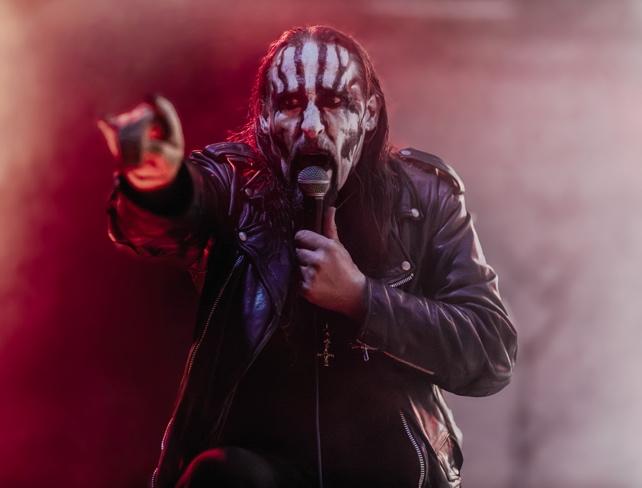
Konsere dönecek olursak, Zifir programında geçen yılın en başarılı yapımları arasında gösterdiğim Braiding the Stories albümünden seçtikleri parçaların yanı sıra "Aldrande Tre" ve "Wound Upon Wound" gibi Gorgoroth ve God Seed klasiklerini de canlı yorumladılar. Gaahl, buz gibi clean vokalleri ve tüyler ürperten çığlıklarıyla tüm kitlenin algısını ve dikkatini tek bir noktaya kilitledi.
Ardından sahneyi Arcturus aldı. Grubun 90’lı ve 2000’lerin başındaki külliyatında kaldığım için çaldıkları parçaların bir kısmına yabancıydım, bu yüzden konserin ikinci yarısında salondan ayrılmayı tercih ettim. Simen (ICS Vortex), Borknagar, Vintersorg ve Dimmu Borgir dönemlerinden bu yana vokal tekniğine derin saygı duyduğum bir isim. Arcturus’ta da hem brutal hem de clean vokalleri eşzamanlı sırtlamak gibi zorlu bir görevin üstesinden başarıyla gelse de bir türlü konserin büyüsüne kapılamadım.
Akabinde sahnede blackgaze türünün öncü isimlerinden Alcest vardı ve kelimenin tam anlamıyla hipnotize edici bir performansa imza attılar. Neige’in sahneden dile getirdiği, “Çok farklı bir müzik yapsak da ekstrem metal gruplarını dinleyerek büyüdük. Bugün burada olmak ve efsanevi Emperor öncesinde çalmak bizim için büyük bir onur,” sözleri salondan muazzam bir alkış topladı. Diskografilerinden oldukça dengeli bir seçki sunarak hit parçalarını art arda patlattılar. Blackgaze’in o katmanlı, insanı içine çeken atmosferi yetkin bir ışık tasarımıyla birleşince, şahit olan herkesi ihya eden üst düzey bir gösteri izledik.
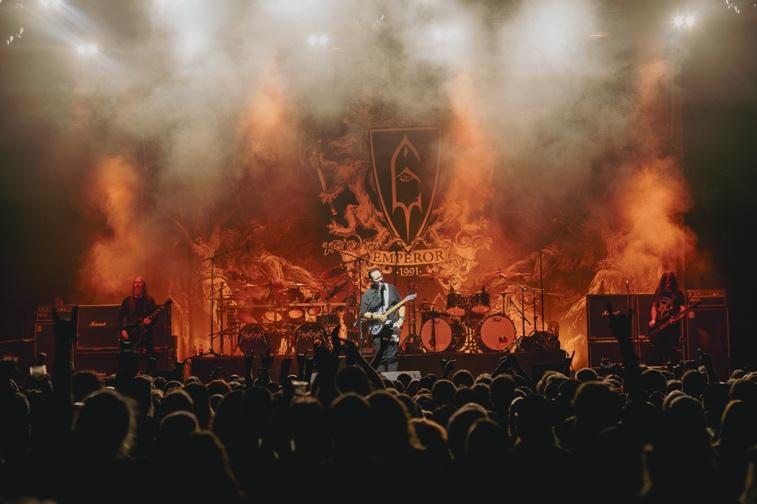
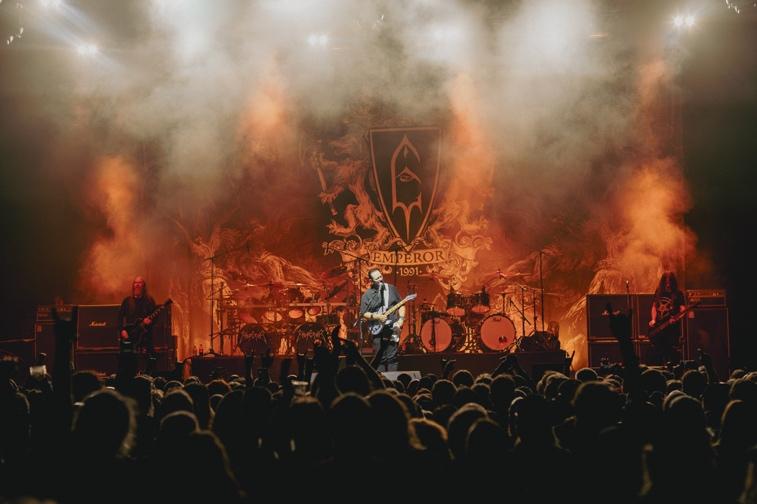
Alcest’in ardından sahneye gecenin ve tüm festivalin merakla beklenen son grubu Emperor çıkıyordu. Yıllar sonra kendilerini ilk kez canlı izleyecek olmamın verdiği heyecan tarif edilemezdi. Bu coşkuyu katlayan bir diğer unsur ise konserin özel bir bölümünde grubun ilk dönem kadrosundan davulcu Faust ve basçı Mortiis’in de sahneye konuk olacak olmasıydı.
Beklendiği üzere Wrath of the Tyrant EP’sinin tamamını icra ettiler. Anthems to the Welkin at Dusk ve In the Nightside Eclipse’ten neredeyse tüm klasikleriyle salonu adeta zehirlediler. "Thus Spake the Nightspirit"in nakaratını bütün Grieghallen’in tek bir ağızdan haykırmasının tam anlamıyla bir vecd hâli yarattığını da vurgulamalıyım.
IX Equilibrium ve en zayıf halkaları sayılan Prometheus’tan birer parça çalarak konseri noktaladılar. 1991’de kurulup 2001’de dağılan ve bu süreçte sadece dört stüdyo albümüne imza atan grubun, çeyrek asırlık dönemde yalnızca konserler için bir araya gelmesi ve yeni bir stüdyo albümü sunmaması büyük bir eksiklik. Ihsahn’ın nitelikli solo kariyerini bir kenara koyacak olursak, progresif senfonik black metalin tohumlarını atan bu çınardan bunca yıldır yeni bir albüm dinleyememiş olmak müzik tarihi adına ciddi bir kayıp.
Jazz alanında üretimler yapan Jørgen Munkeby’nin performansı ise takdire şayandı. Klavyedeki yetkinliğinin yanı sıra geri vokallerde de harika bir iş çıkardı. Trym’in yıldırıcı kick’lerine ve Samoth’un karizmasına dair fazladan kelam etmek ise ne yazık ki lügatin sınırlarını aşıyor. Kendi adıma ruhen doymuş ve mutmain bir şekilde Grieghallen’den ayrıldığımı söyleyebilirim.
Kapının ardındaki karanlık
Aktarılacak daha pek çok detay var elbette, ancak birkaç önemli hususa değinerek yazıyı noktalamak istiyorum.
Türkiye’nin son dönemde öne çıkan başarılı konser fotoğrafçılarından Esra Atakan da festivali yerinde takip eden isimler arasındaydı. Yazıda kendisinin fotoğraflarını kullandık. Festivalde Türkiye’den gelen dinleyicilerin varlığı da dikkat çekiciydi.
Alanın hemen her köşesinde, masalarda ve duvarlarda dünyanın dört bir yanındaki festivallerin afişleri ve ilanları yer alıyordu. Bu çapta global bir buluşmada yer alabilmek kritik bir tanıtım ve reklam imkânı sunuyor. Ülkemizde bu nitelikte işler yapan ve uluslararası tanıtımı hak eden kurumlar olmasına karşın ne yazık ki bunlara dair bir iz göremedim, belki de eser miktarda olduğu için fark edemedim. Son yıllardaki konser yoğunluğunu ve daralan sponsor imkânlarını göz önüne aldığımızda, sektör temsilcilerimizin yurt dışındaki bu tür mecralarda kendilerini daha görünür kılması gerektiği aşikâr.
Sonuç olarak Beyond the Gates, ekstrem metale ilgi duyan her müzikseverin hayatında en az bir kez yaşaması gereken benzersiz bir tecrübe ve paha biçilemez bir müzik serencamı. Organizasyonu yalnızca sahne performanslarından ibaret bir müzik festivali olarak görmek yetersiz olur. Zira karşımızda ekstrem metalin kültürünü, tarihsel köklerini ve bugüne uzanan sosyo-sanatsal yansımalarını yerinde deneyimleyip tartışabileceğiniz devasa bir platform var.
Yaklaşık bir haftalık Norveç seyahati bütçe açısından zorlayıcı olsa da bu atmosferi bir kez soluyan birinin, ilk fırsatta bu kapıların ardındaki karanlığa yeniden dönmek isteyeceğini rahatlıkla söyleyebilirim.
What's in the Darkness Beyond the Gates?
Beyond The Gates 2026
Words: Uğur Çıkrıkçılı
Concert Photography: Esra Atakan
Suggested track to accompany the article: Blood Incantation – The Message (Tablet III)
Before moving on to the festival review, I think the most fitting way to begin is by searching for an answer to the question posed in the title. That is also the idea around which I intend to build the backbone of this piece.
For the second time, my path has taken me to Norway to cover a metal festival. When I realized that something that had caught my attention on my first visit had now become more than a simple observation, I felt it was worth saying a few words about it before turning to my festival impressions.
In Norway, the support the state provides to festivals through cultural and arts institutions and ministries is immediately noticeable. Alongside this, a music shop/bar where we had merely browsed records and had a few drinks on my first visit had this time transformed into a venue playing pure black metal a clear indication that the festival was no longer confined to its own grounds, but had spread throughout the city.
Leaving metropolises such as Oslo aside, the emergence of such a picture in a relatively smaller city like Bergen makes the matter even more visible. Yet an organization reaching such a broad scale would be difficult to imagine without state support. After all, festivals of this kind do more than succeed as events, they also help disseminate a culture and its subcultures.
Another important factor behind this success is the organizers’ international network and their ability to dynamically draw managers, record-label executives and music professionals from different countries into this black circle. It must be said that they manage this integration extremely well. In this way, a local festival grows through global solidarity. This, in turn, becomes possible when individuals embrace a shared culture regardless of geography and develop a strong sense of belonging to it.
On the other hand, I remember feeling a mixture of surprise and satisfaction when, while visiting Oslo’s National Museum, I saw Darkthrone and Mayhem album covers displayed as visual-cultural artifacts in the section devoted to contemporary Norwegian culture. When I heard that short black metal tours would once again be organized under the heading of “cultural heritage” at the same National Museum this August, I concluded that the issue deserved deeper thought. In a long conversation we had with Gaahl, he told me that until the 1990s Norway was by no means as liberal on matters of religion as it is today, on the contrary, it was a country governed by conservative and strict rules.
The involvement of the first-wave black metal bands emerging at the time in radical acts such as ‘‘church burnings’’ however impossible such acts are to condone ironically helped transform the mindset of younger generations. The fact that a movement once regarded by the state as a “dangerous gathering of criminal activity” and burdened with an extremely bad reputation has, in a 180 degree reversal, become “cultural heritage” found a place in national museums and received substantial public support clearly shows that the subject is being approached as something far beyond music or festival organization.
Beyond The Gates 2026 Festival
As for the festival itself, just like Inferno, it is safe to say that this was not a standard music event consisting solely of stage performances. Beyond the concerts, thematic tours focusing on black metal history and culture were among the festival’s most striking components.
Touring the locations where Immortal’s legendary Call of the Wintermoon and Blashyrkh (Mighty Ravendark) videos were filmed, guided by Old Funeral founding member Tore Braseth one of the key figures in a line-up that also included Abbath, Demonaz and, for a short period, Varg Vikernes was immensely enjoyable. We were also joined by former Immortal member Kolgrim (aka Padden), who appeared in that famous video in his hood and candidly admitted that he is somewhat embarrassed by those scenes today.
Later in the tour, we also had the chance to see the World War II Era bunker featured on Mayhem’s early bootlegs and album covers, where Euronymous and Varg posed for those iconic photographs. The tour was particularly valuable because it allowed us to hear many details about the early 1990s directly from someone who had witnessed that period firsthand.
For me, the most special part was the opportunity to visit the legendary Grieghallen Studios under the guidance of another legend, producer Pytten. We discussed many details about the background of recordings by Burzum, Enslaved, Immortal and Windir, as well as the first and second wave black metal scenes taking shape during those years. Pytten spoke about the consultations they had with band members over how the recordings should sound at the time, and even played us some raw recordings. On sensitive, personal subjects such as Varg Vikernes, however, Pytten as expected maintained his professional composure and tactfully sidestepped the questions.
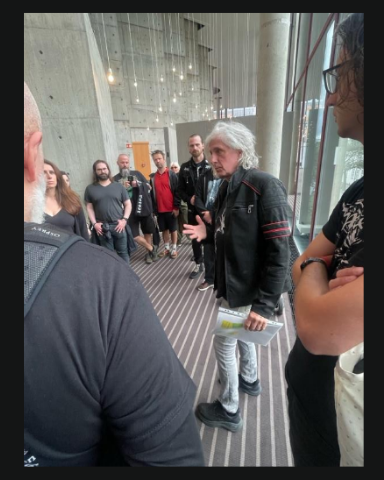
Hearing about the making and production processes of these iconic albums directly from their architect was priceless in terms of documenting the history of the genre. Considering that the people behind all this were still only 15 to 19 years old at the time, the vision they displayed and the genre they built from scratch certainly deserve a special kind of respect.
The story behind the burning of Fantoft Stave Church by Varg and the media storm that followed was told by Finn Håkon Rødland, who has made important contributions to black metal archiving and history. Since I had already conducted detailed interviews about this period and taken extensive notes, I chose to skip this session.
Another intriguing non-musical event was the tasting session with Gaahl and sommelier Niklas Kleppe, by now something of a festival classic. Gaahl and Kleppe moved from table to table, explaining the nuances between the products and engaging in warm, informal conversations with the participants, adding a distinctive touch to the event.
I will return to the social activities later. For now, I close that parenthesis and shift the focus to the bands and their stage performances.
Day One
USF Verftet, which hosted the festival’s first two days, is a former harbor facility comprising an intimate 200–300 capacity hall alongside an enormous hangar capable of accommodating thousands. Since a four-day festival demands serious stamina, I chose to skip some bands and rest. My impressions are therefore, inevitably, a subjective selection.
One of the standout performances of the first day undoubtedly came from İmha Tarikat. Speaking after the show with the band’s driving force, Kerem Yılmaz, he showed me the cuts and bruises on his body and described the experience, in his own words, as “so intense” a clear indication of just how much energy they had expended onstage. They tore through favorites such as Wicked Shrine, Sturm der Erlösung and The Day I Died one after another. Although I was disappointed once again not to hear their Thin Lizzy cover The Sun Goes Down live, I can safely say that they ignited the festival with tremendous energy.
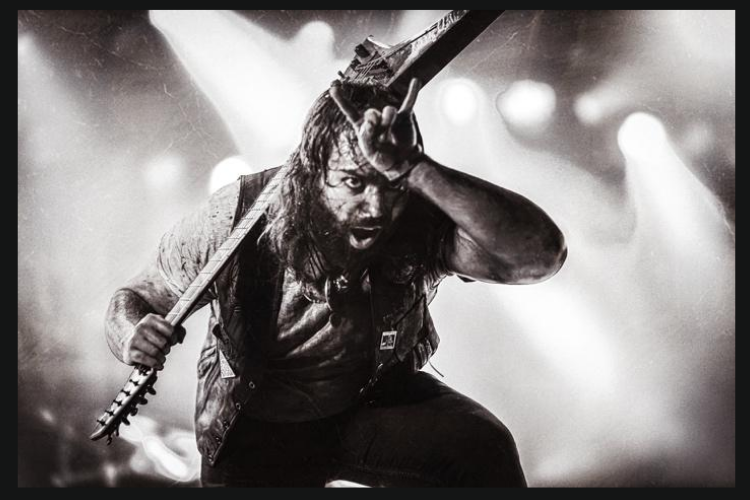
Rotting Christ followed on the other stage. I have long since stopped counting how many times they have played in Turkey, and although I never tire of seeing them live, this time I found both the performance and their interaction with the audience somewhat subdued. Had this concert taken place in Turkey, I have no doubt that the atmosphere would have been far more enthusiastic and interactive. Perhaps audiences in the North simply do not display the same intense sense of belonging as fans in our part of the world or in Latin America. Still, a setlist heavy on classics such as Thy Mighty Contract, Triarchy of the Lost Lovers and Non Serviam pleased longtime followers. The final two songs came from the album Kata Ton Daimona Eaytoy.
Next came Spectral Wound. The Canadian band, whose intriguing song titles include Aristocratic Suicidal Black Metal, Less and Less Human and O Savage Spirit, had made me curious about how their high-tempo music would translate live. They earned full marks from the audience and delivered one of the festival’s strongest performances. I am making a note to see them again with a longer setlist.
Thrash metal giants Testament then took over the main stage. They had prepared a well-balanced setlist spanning from their classic 1987 debut The Legacy to last year’s Para Bellum. I had expected a repertoire weighted toward the latest album, so this retrospective selection genuinely caught me off guard. Although my attention was drawn mainly to Chuck Billy and Alex Skolnick throughout the show, Eric Peterson once again proved what a tremendous rhythm/lead guitarist he is and how crucial he remains to the band’s backbone.
The night was closed by Sventevith, the joint project of Nergal and Misþyrming, named after Behemoth’s first album. As someone who has watched Nergal’s gradual transformation into something of a pop figure within the extreme metal scene with a degree of skeptical distance, I was genuinely surprised by that night’s performance. They delivered old classics from the raw demo and EP era From the Pagan Vastlands, Transylvanian Forest and Wolves Guard My Coffin with tremendous spirit. Nergal’s understated corpse paint, the band’s modest stage costumes and their measured contact with the audience created a wonderful synergy onstage. This collaboration has appeared at nearly every major summer festival this year, from Rockstadt to Party.San, whether it will eventually evolve into an album project remains to be seen.
Day Two
On the second day, Bergen’s characteristically gloomy and rainy weather intensified further. The first band onstage was 1349. Although I had seen them twice before, I had never quite managed to penetrate their music; nevertheless, the quality of their live performance remained intact. Dominator’s drumming technique was especially outstanding on Ash of Ages and I Am Abomination. He once again proved that he is the right choice to fill Frost’s place on tour. Ravn’s savage vocals worked well with the razor-sharp guitar riffs. Although Archaon’s pre-show ritual of breathing fire with a torch energized the audience, 1349 remained, for me, a band that maintained its usual standard without leaving an additional mark.
After listening to doom metal band Warning, who brought the cold and rainy British atmosphere into Bergen’s gloomy geography, we moved to the main stage for one of the giants of doom/stoner/psychedelic rock, Electric Wizard. They were one of the bands whose live performance I had been especially curious to see. As they played, my mind drifted back and forth along a line connecting Black Sabbath, Kyuss, Saint Vitus and Acid King. Deep, low-register chords and hypnotic sludge rhythms were accompanied by imagery from 1970s and 80s B-movie erotic horror, creating a show that was hard to forget. Another striking detail of the night was how strongly the younger generation in the hall embraced the band and enthusiastically sang along.
The second day was closed by Finnish band Beherit, whom many people including me had been eagerly waiting to see on the festival bill. Their extremely rare live appearances and the radical stylistic shifts they have undergone throughout their career only heightened the anticipation. With a stage design dominated by dense fog and red light, it was almost impossible to see the musicians clearly.
Their setlist focused heavily on the classic album Drawing Down the Moon. The electronic elements in the music blended so well with the atmosphere of the venue that performances of Black Arts, Solomon’s Gate and Nocturnal Evil were genuinely hypnotic. The first half of the concert was very strong. In the second half, however, the fatigue of the long marathon, the shift toward brighter lighting and the band’s static stage presence caused my attention to wander. Even so, seeing Beherit live a band whose experimental explorations have repeatedly challenged conventions in extreme music was immensely valuable.
Day Three
On the third day, the concerts moved to Grieghallen, giving us the experience of listening to extreme metal in a hall whose acoustics would ordinarily host a symphony orchestra. To adapt to the day’s pace, I skipped a few bands and began with Whoredom Rife (WR), one of the prominent recent acts from the Trondheim scene. Compared with their performance I had previously seen at Inferno Festival, I found their interaction with the audience somewhat more distant this time.
WR has a structurally unusual formation: the core consists of Einride the drummer, composer and mastermind who can play all the instruments and vocalist K.R., with guest musicians joining them for live performances. Their albums and compositions have such a distinctive character that you immediately know what they are offering the listener. As long as they preserve this identity, I believe their name will appear in much larger type on festival posters in the coming years. As I had expected, they opted for a safe setlist; although there were no startling surprises, they delivered a solid show that met expectations.
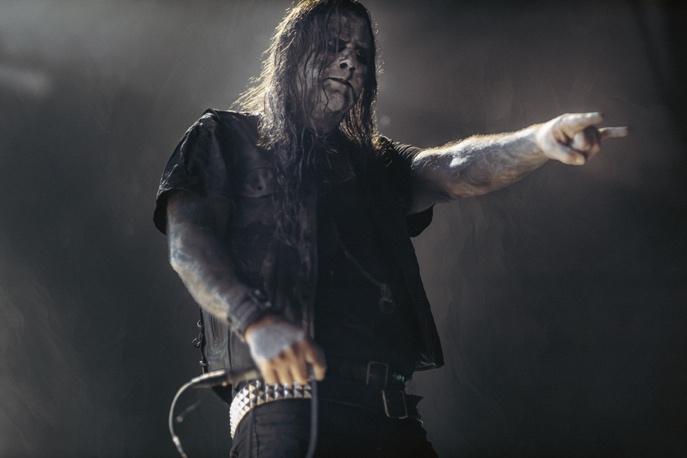
Marduk followed. Although the stage quality of a band I have seen live at least once almost every year in recent years never falls below a certain standard, I have to admit that I enjoy their shows less and less. Their setlist choices were unsurprising, and it was also notable how they avoided playing many cult songs the audience wanted to hear. They did close with an extremely harsh, spine-tingling run of Throne of Rats, Blond Beast, Panzer Division Marduk and Wolves, but since I have witnessed far better Marduk performances in the past, I will leave it at that.
Ending the third day with Blood Incantation was an indescribable pleasure for me. Although I discovered the band rather late, during the pandemic, I cannot say they were among the groups I listened to frequently before the concert. I settled into a commanding spot in Grieghallen overlooking the stage from above and waited. Their flawless command of their instruments, the hall’s magnificent acoustics and their mesmerizing visual production cast a spell over the entire audience, myself included.
They performed their latest album Absolute Elsewhere from beginning to end. Alongside their musical virtuosity, cosmic visuals, lighting effects and obelisks reminiscent of Ancient Egyptian aesthetics were perfectly aligned with the album’s complex and intricate structure. I was so affected by the performance that even after the festival ended, I kept listening to Blood Incantation for days while replaying the stage show in my mind. Its impact extended far beyond the duration of the concert.
Afterward, we ended the night socializing with other metal fans in venues scattered throughout the city that had opened their doors to the festival.
Final Day
By the time the festival’s final day began, the buzz throughout the city was immediately palpable. A competition featuring tattoo artists producing remarkable work concluded to great interest. It was common to see people around the area sporting fresh tattoos as festival souvenirs.
Although I was interested in the workshop by Brazilian-Norwegian drummer Mauricio Weimer, who is quite popular on social media, I chose instead to attend the talk titled “Pytten’s Unknown Past.” It was exciting to learn that the book, due to be published in Norwegian this year, will meet readers in an English edition next year.
After these cultural warm-ups, we began the day’s concert marathon with Gaahl’s Wyrd. When we spoke at his art gallery the day before the show, he mentioned that the band members had held their final rehearsal that day, while he himself felt completely ready for the stage, both mentally and vocally.
As for the concert, alongside songs from Braiding the Stories an album I ranked among last year’s best releases on the Zifir program they also performed Gorgoroth and God Seed classics such as Aldrande Tre and Wound Upon Wound. With his ice-cold clean vocals and chilling screams, Gaahl locked the perception and attention of the entire crowd onto a single point.
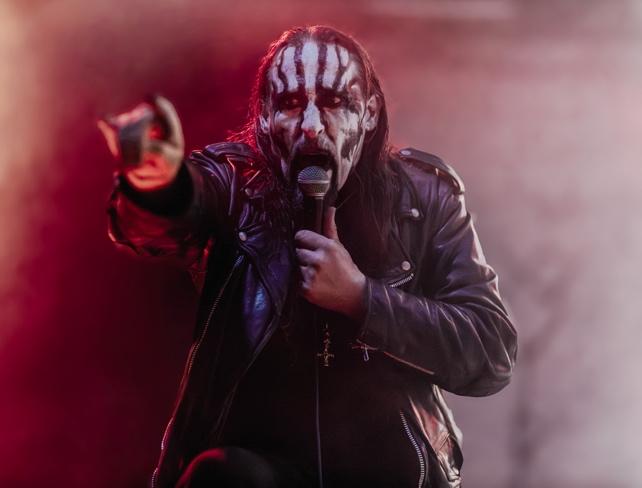
Arcturus followed. Since my familiarity with the band is largely confined to their 1990s and early-2000s catalogue, some of the material they played was unfamiliar to me, and I chose to leave the hall during the second half of the concert. Simen (ICS Vortex) is a vocalist whose technique I have deeply respected since his days with Borknagar, Vintersorg and Dimmu Borgir. Although he successfully handled the difficult task of carrying both harsh and clean vocals in Arcturus, I simply could not surrender to the magic of the concert.
Next came Alcest, one of the pioneers of blackgaze, and they delivered a literally hypnotic performance. Neige’s words from the stage “Although we make very different music, we grew up listening to extreme metal bands. It is a great honor for us to be here today and to play before the legendary Emperor” were met with tremendous applause. They offered a well-balanced selection from their discography, firing off their best-known songs one after another. When blackgaze’s layered, immersive atmosphere combined with accomplished lighting design, the result was a top-tier show that exhilarated everyone who witnessed it.
After Alcest came Emperor, the most eagerly awaited final band of both the night and the entire festival. The excitement of seeing them live for the first time after all these years was indescribable. Adding to that excitement was the fact that drummer Faust and bassist Mortiis from the band’s early line-up would join them onstage for a special section of the concert.
As expected, they performed the Wrath of the Tyrant EP in full. They then unleashed nearly all the classics from Anthems to the Welkin at Dusk and In the Nightside Eclipse. I should also emphasize that the entire Grieghallen shouting the chorus of Thus Spake the Nightspirit in unison created a genuine state of ecstasy.
They closed the concert with one song each from IX Equilibrium and Prometheus, albums often regarded as the weaker links in their catalogue. Formed in 1991 and disbanded in 2001 after releasing only four studio albums, the band’s decision to reunite solely for concerts over the past quarter-century without offering a new studio album remains a major absence. Ihsahn’s accomplished solo career aside, not having heard a new album for so many years from this towering band that helped sow the seeds of progressive symphonic black metal is a serious loss for music history.
Jørgen Munkeby, known for his work in jazz, gave an admirable performance. In addition to his skill on keyboards, he did an excellent job on backing vocals. As for Trym’s intimidating kicks and Samoth’s charisma, words unfortunately begin to fail me. I can say that I left Grieghallen spiritually full and deeply satisfied.
The Darkness Beyond the Gates
There are, of course, many more details I could relate, but I would like to close the article by touching on a few important points.
Esra Atakan, one of Turkey’s successful concert photographers to have come to prominence in recent years, was among those covering the festival on site. Her photographs are used throughout this article. The presence of festivalgoers from Turkey was also noteworthy.
In almost every corner of the venue, on tables and walls, there were posters and announcements for festivals from all over the world. Being present at a global gathering of this scale offers a crucial opportunity for promotion and visibility. Although there are institutions in our country doing work of this caliber and deserving international exposure, unfortunately I saw no trace of them or perhaps there was so little that I failed to notice it. Considering the intensity of concert activity in recent years and shrinking sponsorship opportunities, it is clear that representatives of our scene need to make themselves more visible in such international platforms abroad.
Ultimately, Beyond the Gates is a unique experience and a priceless musical journey that every music lover interested in extreme metal should experience at least once in their lifetime. It would be inadequate to view the event merely as a music festival consisting of stage performances. What stands before us is an enormous platform where you can experience and discuss, in situ, the culture of extreme metal, its historical roots and its socio-artistic reflections extending into the present.
Although an approximately week-long trip to Norway can be demanding on the budget, I can safely say that anyone who breathes in this atmosphere once will want to return to the darkness beyond these gates at the first opportunity.
Benzer İçerikler
Paskalya’da Karanlık Bir Festivalden Biraz Fazlası: INFERNO
Uğur Çıkrıkçılı
Prophecy Fest’ten İstanbul’a: İmha Tarikat
Uğur Çıkrıkçılı
Dave Mustaine ile Megadeth’in 40 Yılı ve Hayatta Kalma Sanatı
İlksen Mavituna, Dave Mustaine
TİR: Tekil ve Karanlık
Uğur Çıkrıkçılı